


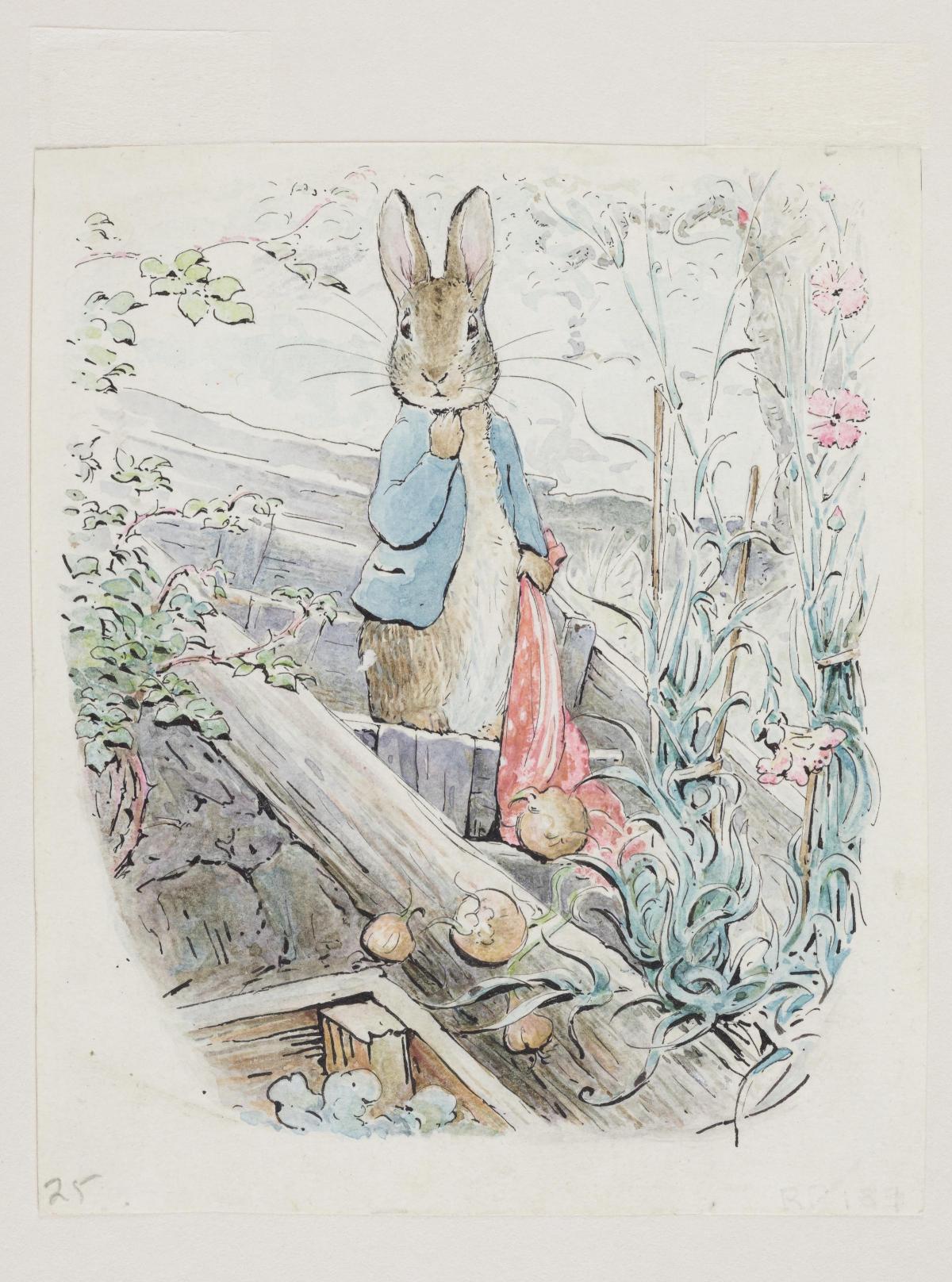




Beatrix Potter is responsible for creating some of the most beloved fictional characters of all time.
Peter Rabbit, Jemima Puddle-Duck, Mrs. Tiggy-Winkle - even Mr. McGregor brings back fond memories.
It's well-known that the author took inspiration from her Lake District surroundings after she moved up north from London in 1905 following several family holidays to the region, and elements of the lakes, hills, and country can be felt laced throughout her books.
But which were the Lake District spots that sparked her stories? These are the locations that inspired her.

Fawe Park
In 1903, Potter's family rented this large Lake District villa on Derwentwater for the summer.
The Keswick house's kitchen gardens, potting shed, and greenhouses are said to have been one of the author's favourite places to go and inspired Mr. McGregor's garden which first appeared in Tale of Benjamin Bunny, published the next year.
Fawe Park is a private property today surrounded by woodland but it played an important part in creating Potter's world.

Derwentwater and St Herbert's Island
In the Tale of Squirrel Nutkin, the squirells transport their rafts across the water using their long, bushy tails as sails.
It's believed this mischievous behaviour was inspired by the strange tale of a group red of squirrels that appeared on St Herbert's Island during nut gathering season and then simply disappeared.
St Herbert's Island contains the possible ruins of a hermitage or chapel believed to have been home to Anglo-Saxon priest and hermit, St Herbert of Derwentwater in the 7th century.

Lingholm Estate
Further on from Fawe Park, Potter also stayed at Lingholm by Derwentwater in 1904.
The kitchen gardens are also said to have inspired the creation of Mr. McGregor's garden, but while she was here Potter also took to exploring Cat Bells and the Newlands Valley.
It was at Lingholm that she planned The Tale of Mrs. Tiggy-Winkle which takes much of its scenery from the estate's beautiful countryside surroundings.

Hill Top
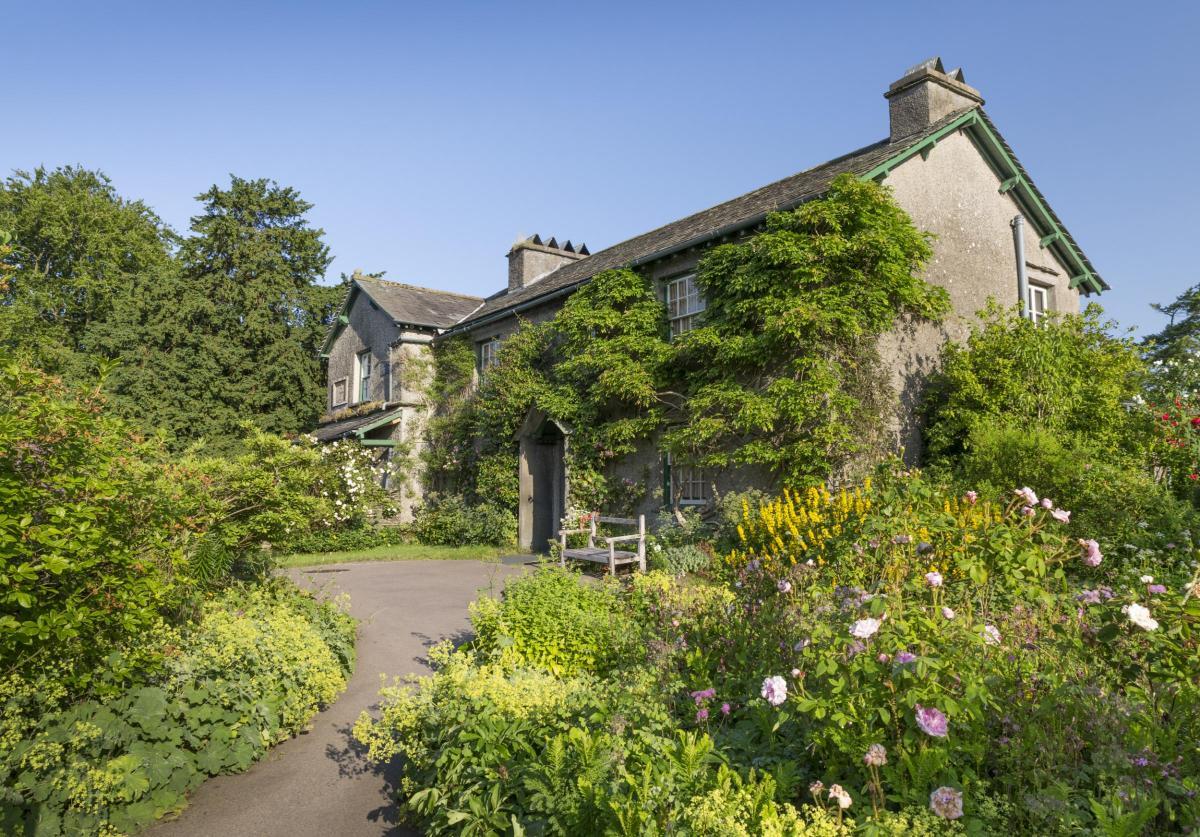
Potter purchased Hill Top, near Sawrey, Ambleside in 1905 after the death of her fiancé Norman Warne.
Perhaps Potter's most famous Lake District location, Hill Top's house and garden is said to have become the inspiration for the setting of The Tale of Tom Kitten in 1907 and Jemima Puddle-Duck even lived in the farmyard.
Hill Top is now cared for by the National Trust and welcomes Beatrix Potter fans all year round.
The author moved from Hill Top to Castle Cottage in the same village in 1913 after her marriage to William Heelis, a local solicitor from Hawkshead whom she had met through organising her property.
Beatrix Potter passed away in Sawrey in 1943, but her memory continues to be cherished in the Lake District, the land she came to call home.


Share