




A Labour mayoral candidate has hit back at his Conservative rival over devolution, saying he would “rather deal with the here and now” than “harp on about the past”.
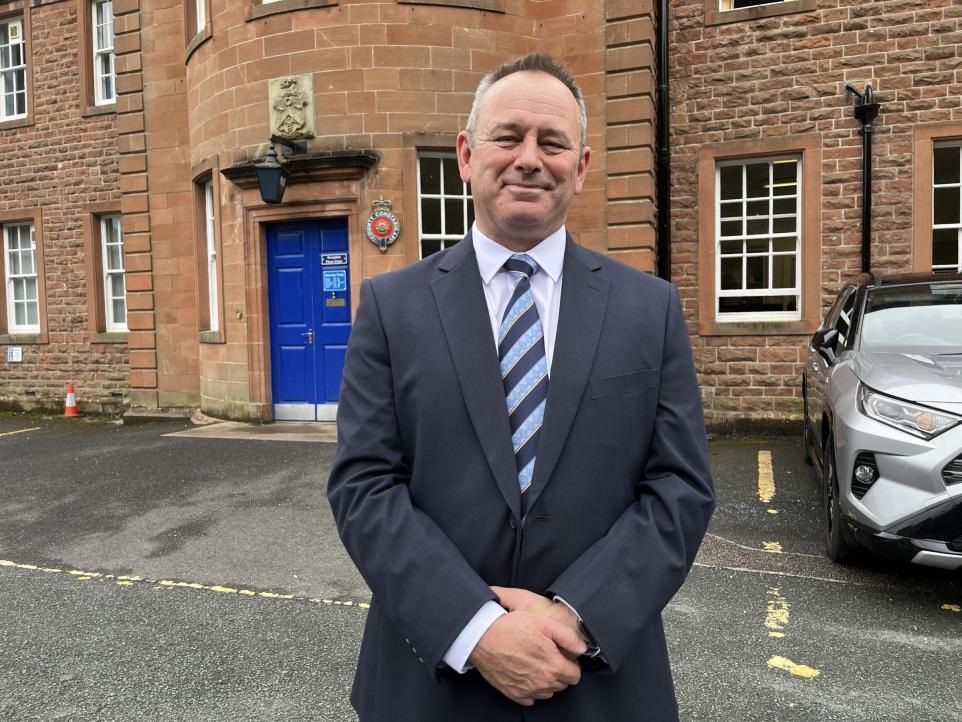
David Allen, Labour’s candidate for Cumbria mayor and the current police, fire and crime commissioner, said he “can’t wait to work” with Prime Minister Andy Burnham, adding that he “knows devolution, understands devolution and is firmly in favour of more”.
Mr Allen said the Labour government had given “more powers to communities” and the chance for “Cumbrians to be in control of our own destiny”.
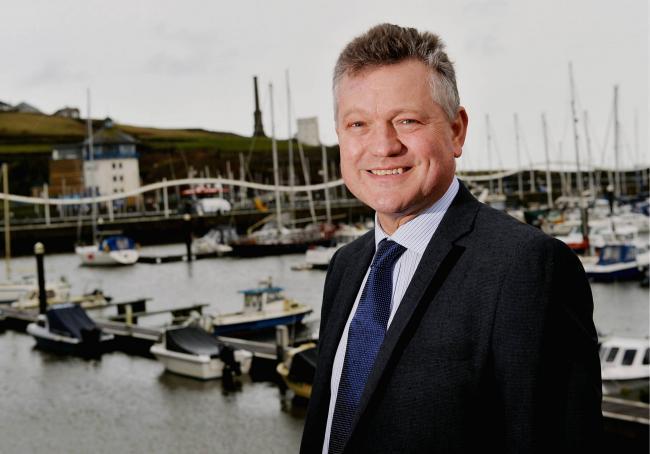
His comments follow remarks by Conservative candidate Mike Starkie, who urged Mr Burnham “to give Cumbria the powers and resources he repeatedly called for during his time as Mayor of Greater Manchester”.
Mr Starkie, the former mayor of Copeland, blamed previous Labour and Liberal Democrat councillors for blocking earlier devolution deals and delaying progress.
In 2017, he was one of two council leaders who voted unsuccessfully to proceed with devolution talks with the government. Had a deal been agreed, a Cumbria Combined Authority led by an elected mayor would have been created—similar to the role both candidates are now contesting.
Mr Allen said: “We can harp on about the past as much as we like, and I have a very different recollection of the events described when Conservative central government tried to impose a settlement on Cumbria, leading to the county withdrawing.
“But ultimately, I’d rather deal with the here and now and the reality of the opportunity we have, if we are willing to take it.”
He added: “I want us to be in charge of our own destiny, to make our own decisions and to decide where and how we spend our money locally.”

Mr Allen and Mr Starkie will contest the Cumbria mayoral election in 2027, alongside Liberal Democrat candidate Libby Bateman.
The winner will lead the new Cumbria Combined Authority, taking on devolved powers from Whitehall. Combined authority mayors are responsible for driving economic development, delivering job creation schemes and overseeing transport strategy.
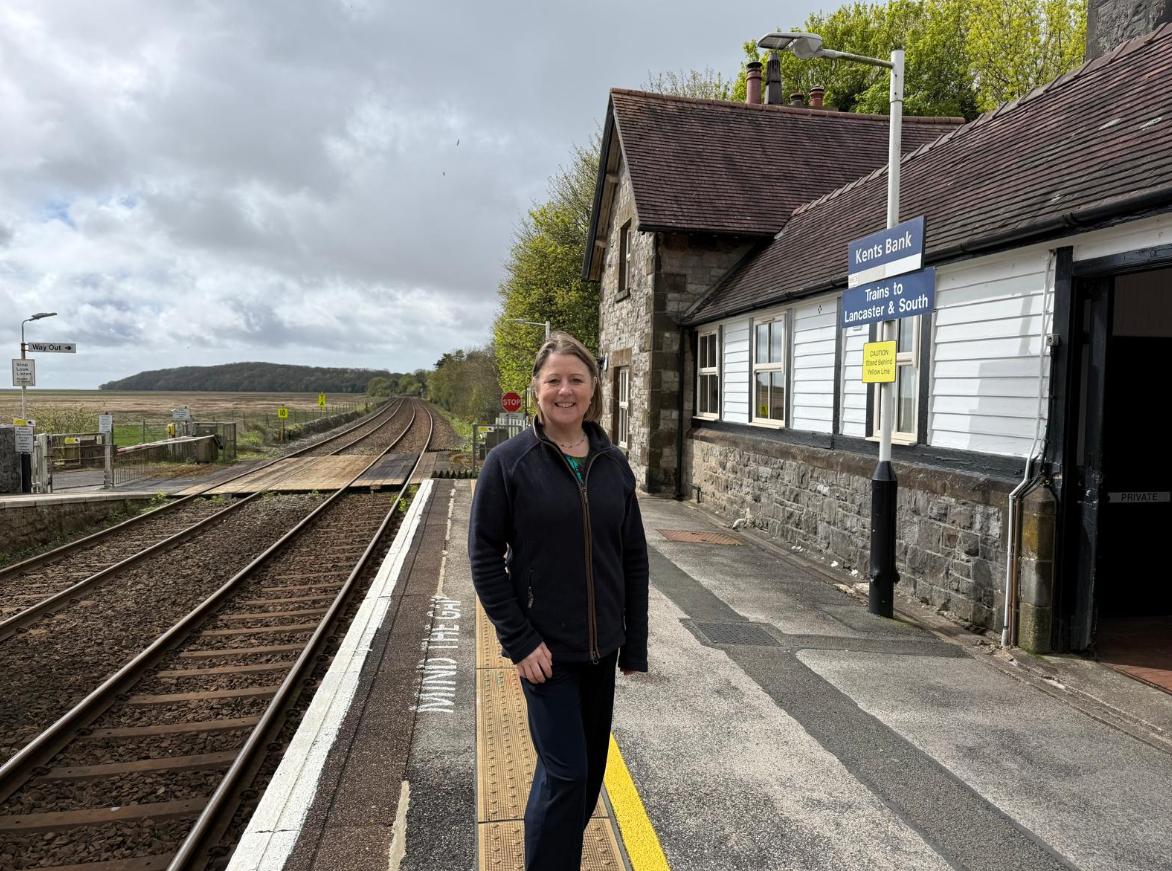
Liberal Democrat candidate Libby Bateman said: "Liberal Democrats were initially cautions about plans for a Mayoral Combined Authority in Cumbria and took the opportunity to carefully assess the merits of having a Mayor, concluding that the Mayoral Authority would bring additional benefit to Cumbria.
"Throughout that process, the leaders of our two councils, Jonathan Brook and Mark Fryer, have worked constructively across political boundaries to establish the authority that will ultimately be led by Cumbria's first elected Mayor.
"Now that the decision has been made, the question is no longer whether Cumbria should have a Mayor, but what kind of Mayor Cumbria deserves.
"Our county needs someone who understands its communities, its economy, and the unique opportunities and challenges that come with being one of England's largest and most rural counties."
Ms Bateman said her experience spans politics, business, infrastructure and public transport, giving her a practical understanding of the issues that matter to residents and businesses alike.

In his first speech outside Downing Street on Monday, Mr Burnham said he would return powers of self-governance to communities. He argued that since the 1980s, “political power was centralised, economic power privatised, large parts of the country de-industrialised”.
Mr Allen said of the Prime Minister: “I can’t wait to work with him to deliver for Cumbria on everything from jobs in our nuclear industry to taking back control of our buses.
“It is absolutely right that power comes out of Whitehall into the rest of the country, and I make no apologies for that.
“The Conservatives rode roughshod over Cumbrian communities when they were in power. That should never be forgotten.”
Mr Starkie said Mr Burnham “spent years arguing that Greater Manchester needed greater control over its own money, infrastructure, skills and economic future.
“He is now in a position to extend those same freedoms to the rest of the country.
“Cumbria has a compelling case for full devolution. We cover one of the largest geographical areas in England, face distinctive transport and infrastructure challenges, and have enormous potential in energy, defence, advanced manufacturing, tourism and the rural economy.
“What we now need is the power and investment to unlock that potential.”


Share