



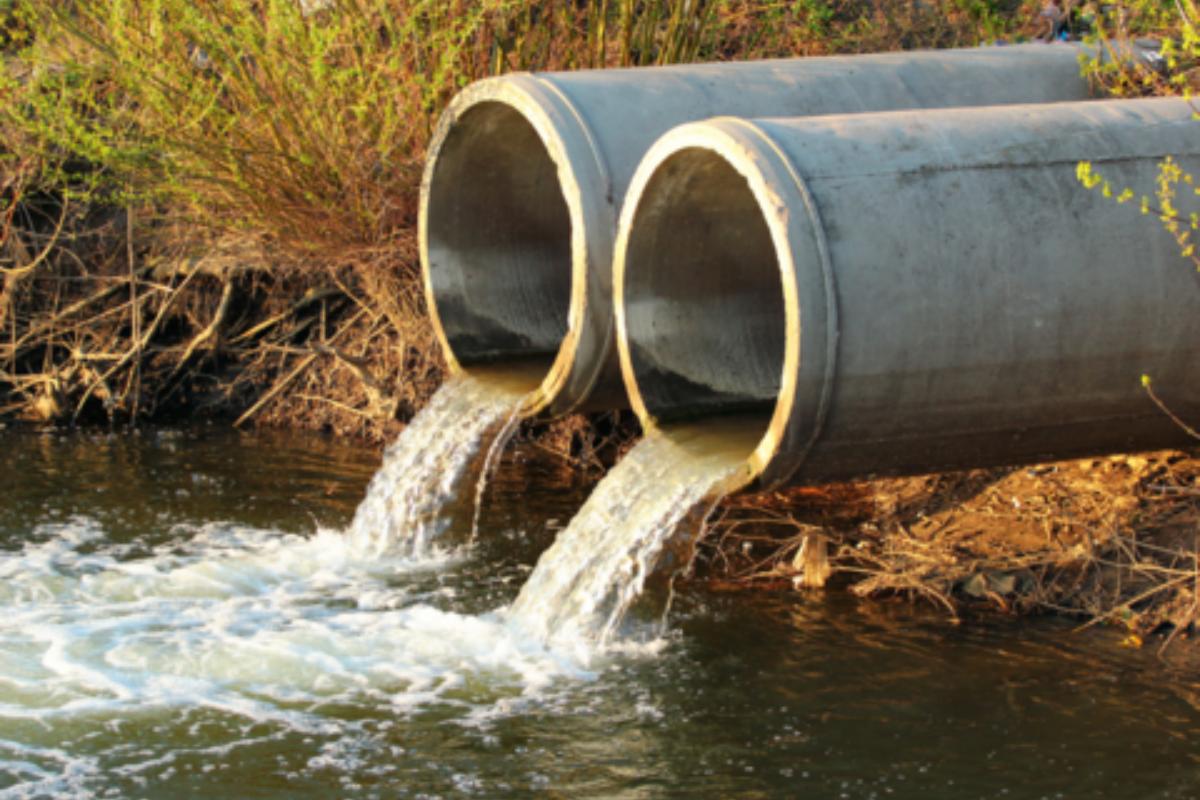
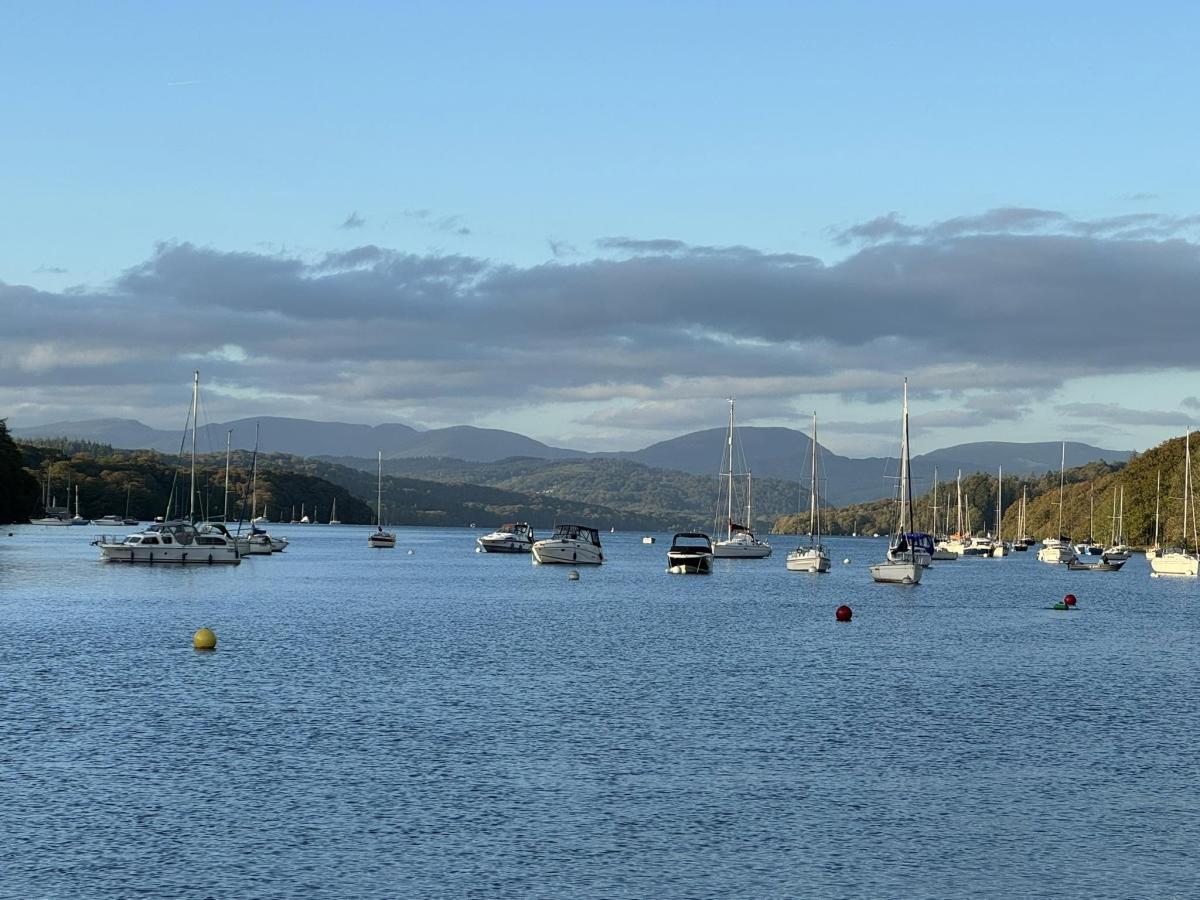

A new report has found it is technically possible to stop wastewater and highway runoff from entering Windermere.
The feasibility study, part of the 'Only Rainwater into Windermere' project, sets out a 100-year vision to protect the lake through one of the UK’s most ambitious freshwater restoration programmes.
It proposes a future where only rainwater enters the lake, removing all wastewater and highway runoff from its catchment.
Edward Twiddy, independent convener of the Only Rainwater into Windermere coalition, said: "Only Rainwater into Windermere is an exceptional vision for an exceptional place.

"Our coalition has looked beyond the constraints of traditional five-year investment cycles and, after assessing more than 70 options, has identified a transformational solution that would improve resilience, adapt to a changing climate, protect this globally important environment and support sustainable growth in the Lake District economy.
"This is ambitious. It is different.
"But Windermere is unique, and if we are serious about protecting it for generations to come, we need to be prepared to think bigger and act bolder."
The study was developed over 15 months by a coalition of regulators, local authorities, community groups, environmental campaigners, and United Utilities.
It identified a catchment-wide approach as essential for addressing the mounting environmental and climate pressures facing Windermere.
The report calls for a transformational overhaul of the wastewater system, noting that existing infrastructure cannot meet future needs.
It warns that rising temperatures and heavier rainfall will increase nutrient loading, algal blooms, and ecological damage.
Louise Beardmore, chief executive officer of United Utilities, said: "What makes this work so extraordinary is the unprecedented coalition behind it.
"Environmental campaigners, local authorities, regulators, community groups and United Utilities have come together with a shared ambition: to secure the future of Windermere for generations to come.

"This is about far more than infrastructure.
"It's a chance to protect and restore one of the nation's greatest natural treasures through ambition, innovation and partnership.
"The coalition has set out a clear path forward, and we're ready to work with government, regulators, delivery partners and local communities to take the next steps on that journey.
"Windermere is treasured by millions and is central to the lives and livelihoods of local communities.
"It deserves solutions that match its importance."
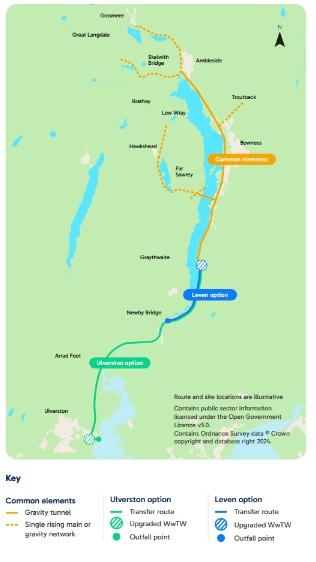
After considering more than 70 possible interventions, the study narrowed the options down to two preferred models.
Both would intercept and divert wastewater away from the lake for advanced treatment elsewhere.
The scheme could require up to 138km of new sewerage, 35km of highway runoff capture, and 37 hectares of sustainable drainage.
Wastewater infrastructure could increase by up to 75 per cent across the catchment, connecting around 12,800 people to public sewers for the first time.
Both options include a new tunnel to convey wastewater to state-of-the-art treatment works delivering among the highest standards in England.
Estimated investment is between £3.6 billion and £3.7 billion, with projected economic, environmental, and social benefits totalling around £7.5 billion—equivalent to £1.90 of value for every £1 spent.
Without this investment, the report estimates that £2.5 billion would still be needed over the next century in existing infrastructure across the catchment to address growing environmental pressures.
However, this would not eliminate treated discharges into the lake or address rising climate-related risks.
The coalition behind the study includes the Environment Agency, Lake District National Park Authority, Love Windermere, Save Windermere, United Utilities, and Westmorland and Furness Council.
It is now calling for continued collaboration across government, regulators, delivery partners, and communities to move the project into detailed design, planning, and funding.
Carol Holt, area director for Cumbria and Lancashire at the Environment Agency, said: "The Lake District is a source of great national pride, with Windermere at its heart, attracting millions of visitors every year and providing a home to internationally important wildlife that depends on clean, healthy water to survive.
"But evidence shows our waters face growing pressures, including from sewage pollution which an ever-changing climate will only intensify.
"We must do more to protect them."
Matt Staniek, Founder of Save Windermere, said: “Save Windermere has been calling for an end to sewage pollution in Windermere for five years. It is the principal driver of the environmental problems facing our lake, and eliminating it is essential to protect Windermere for future generations.
“The evidence from the report is clear: eliminating sewage pollution will tackle the most significant controllable cause of the problems we are seeing today, create the conditions for ecological recovery, strengthen the lake’s resilience to climate change and boost the local economy.”


Share